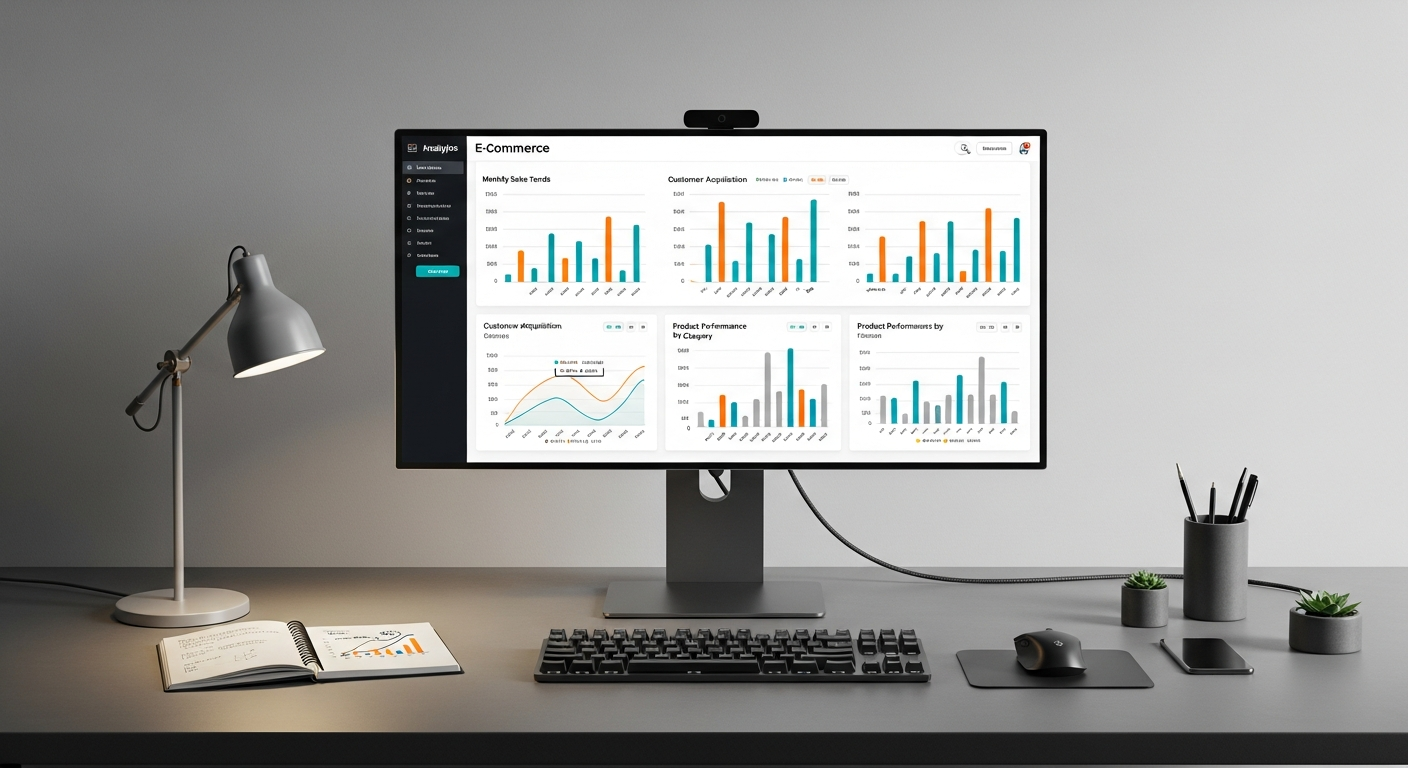
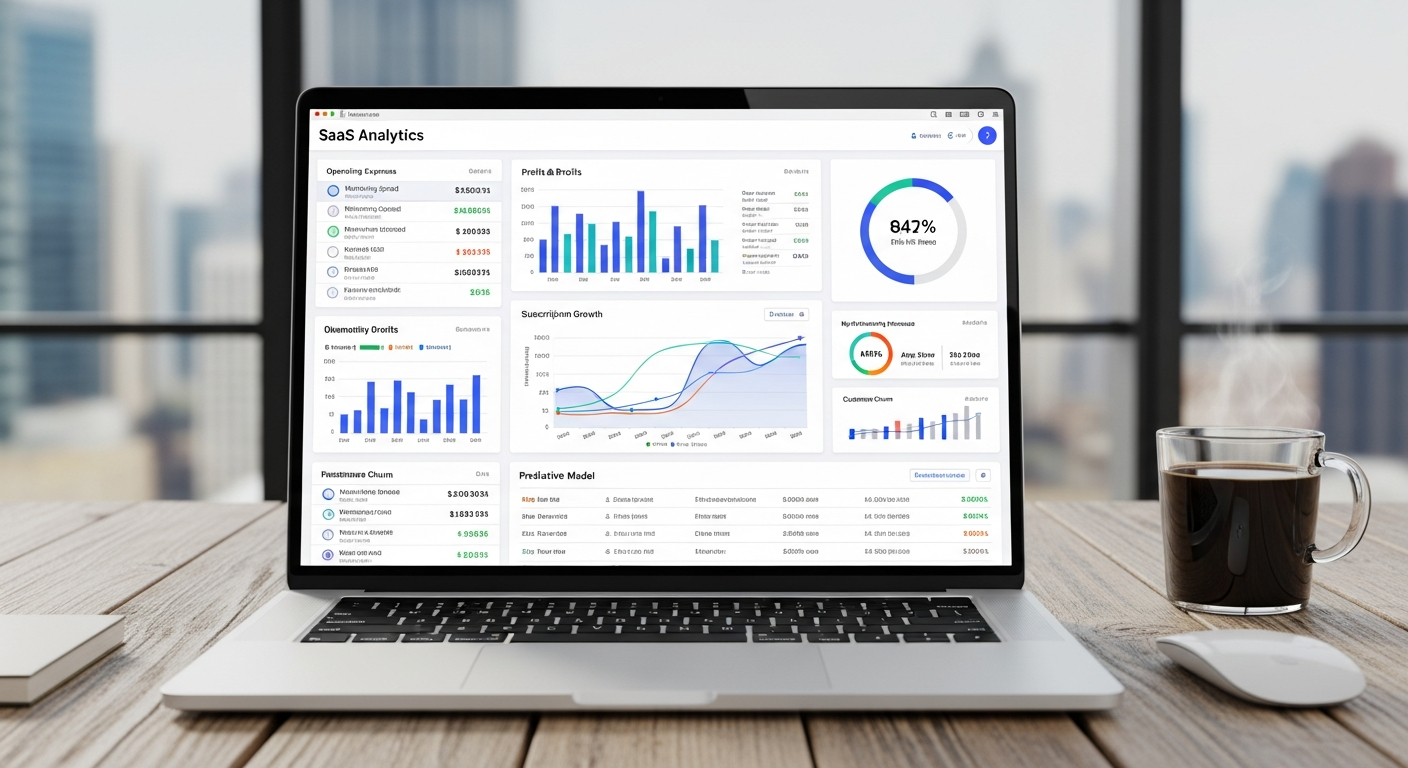
Most margin problems do not arrive as a dramatic collapse. They arrive quietly, in small percentages, exceptions, and habits that nobody notices while revenue is still moving in the right direction. That is why shopify profit leaks are so dangerous. They hide in processes that feel normal, then compound until the store is working harder for less money.
Why hidden profit leaks matter more than obvious losses
Obvious losses get attention. If ad spend spikes or a supplier increases cost by 25%, the team reacts. Hidden leaks are different. A few extra dollars in shipping here, another discount there, a slightly elevated refund rate on a popular product, and suddenly the business is underperforming without a single dramatic cause. Fixing these issues is often the fastest route to profit recovery because you are protecting margin that already exists.
1. Discount dependency
If a product only converts when a coupon is applied, the product may not be as healthy as it looks. Merchants often see strong sales velocity and assume the SKU is a winner, but the margin profile tells a different story. Heavy discounts compress gross profit, lower customer price anchoring, and make future promotions harder to step away from.
Look for products where a high percentage of orders include a discount code. Then compare full-price conversion and return behavior. If the product still moves at a lighter offer, you may be giving away too much margin. If it only performs with deep discounts, you may need stronger merchandising, a bundle strategy, or even a pricing rethink.
2. Shipping cost creep
Shipping is one of the easiest costs to underestimate because it often changes gradually. Carrier rate adjustments, dimensional weight, packaging changes, split shipments, and destination mix all influence margin. A product that looked profitable last quarter can become mediocre this quarter simply because fulfillment costs drifted upward.
Track shipping cost by product family and by order type. Heavier or oversized items deserve special attention. Some merchants solve the issue by rewriting shipping rules, changing packaging, or separating certain products into distinct offers so they do not quietly pollute a blended margin figure.
3. High-return products masked by strong sales
A high-volume product can still be a profit leak if return behavior is poor. Fashion brands in particular see this when sizing, fit, fabric expectations, or photography create a gap between what customers expect and what arrives. The product keeps selling, but refund rates absorb the contribution margin and create operational overhead.
Do not just compare refund volume by SKU. Compare refund rate, return reason, and post-refund resale recovery if that applies to your model. Sometimes the fix is content: better sizing guides, improved PDP details, clearer delivery expectations, or more realistic creative.
4. Unprofitable hero offers
Bundles, free gifts, and front-end acquisition products can be useful, but they can also become habitual loss leaders when nobody revisits the economics. A campaign that was designed to grow customer acquisition may keep running long after its margin trade-off stopped making sense. If the store is paying for growth with thin first-order economics, you need to know whether the retention profile justifies it.
Review hero offers with both first-order and cohort performance in mind. If the offer attracts low-retention buyers or generates low-quality traffic, it is not a growth lever. It is a margin leak with a good story around it.
5. Product-level cost data that is out of date
Outdated COGS is a silent reporting failure. If supplier pricing, packaging, duties, or landed costs have changed, your profitability model is no longer trustworthy. Many merchants update cost spreadsheets too slowly, which means products appear more profitable than they really are. Decisions built on stale cost data are almost guaranteed to misallocate spend and inventory.
This is why cost tracking needs to be operational, not occasional. The sooner updated cost inputs are reflected in reporting, the sooner you can respond with pricing, merchandising, or supplier negotiations.
How to find the leaks quickly
Start with a short list of products by revenue, then compare margin, refund rate, discount rate, and shipping cost trend. That simple cross-check surfaces more issues than most merchants expect. Next, review the last 30 days of promotional performance to see which products are relying on coupons to move. Finally, compare recent COGS updates against current supplier invoices or landed cost assumptions.
What to fix first
Prioritize leaks by recoverable profit, not by how irritating they feel. A medium-severity issue on a high-volume SKU is usually more valuable than a severe issue on a low-volume SKU. This is where margin-aware reporting matters. It helps you stop reacting emotionally and start fixing the highest-impact problem first.
Profit improvement does not always require more traffic, more products, or more complexity. Sometimes it requires less leakage. Stores that consistently monitor discount depth, shipping costs, refunds, and cost updates usually recover margin faster than stores chasing new revenue before fixing known inefficiencies.
Start your free profit scan to uncover hidden profit leaks before they become expensive habits.